 Spoilers ⊹
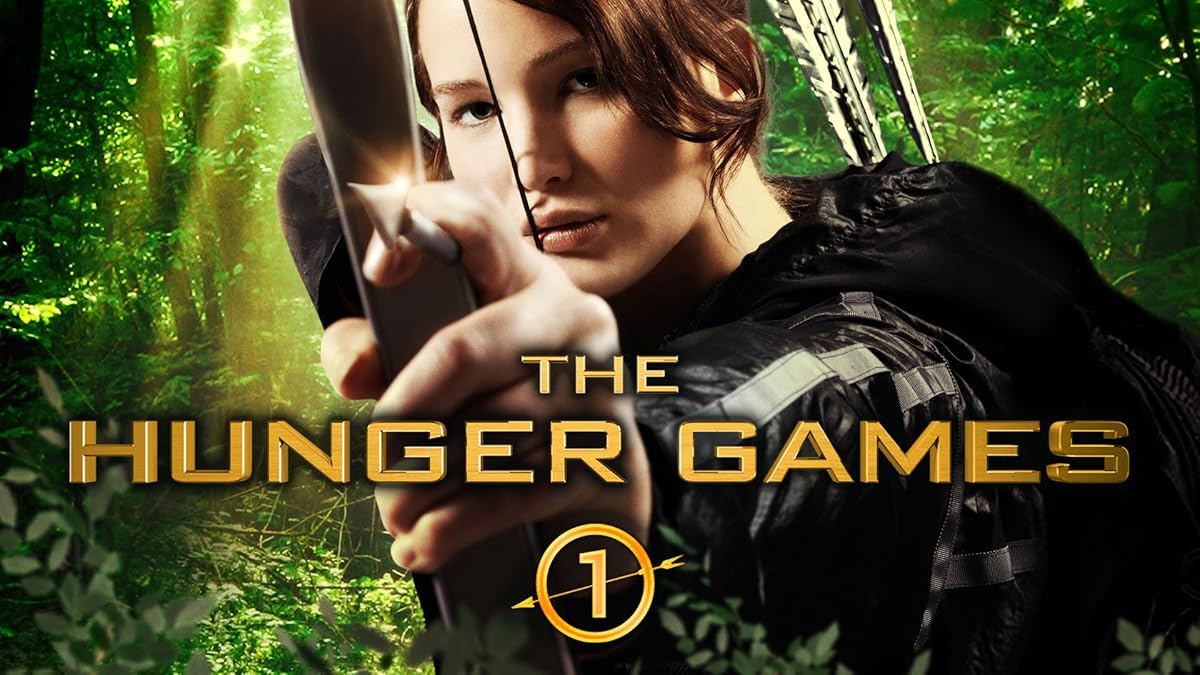
 Critics have hailed the film's ingenious world-building, which skillfully subverts the traditional notion of the starving masses by presenting a complex, multidimensional portrayal of Katniss ... — The Hunger Games —
Get this deal.
Dystopian fiction, with its grim visions of societies gone wrong, has captivated audiences for generations. But what is it about these bleak narratives that holds such enduring appeal? Why do we willingly immerse ourselves in worlds of oppression, control, and societal breakdown? The answer lies in the genre's unique ability to act as a mirror, reflecting our anxieties, challenging our assumptions, and prompting us to critically examine the world around us. These stories, however unsettling, offer a valuable platform for exploring complex social and political issues in a safe and engaging way.
At its core, dystopian fiction thrives on extrapolation. Authors take existing societal trends, amplify them, and project them into a hypothetical future. This process allows us to see the potential consequences of our actions, or inactions, with stark clarity. A story might explore the dangers of unchecked technological advancement, the erosion of individual privacy, or the consequences of environmental degradation. By presenting these scenarios in a fictionalized context, dystopian narratives bypass our defenses and encourage us to consider uncomfortable truths. They force us to confront the possibility that the seeds of dystopia may already be present in our own society.
Dystopian narratives often center on themes of control, power, and resistance. The societies depicted are typically characterized by strict social hierarchies, oppressive governments, and the suppression of individual expression. These stories frequently highlight the struggle of ordinary individuals against overwhelming forces, showcasing acts of courage, rebellion, and resilience. The protagonists in these narratives serve as a powerful reminder of the importance of critical thinking, individual agency, and the constant vigilance required to safeguard freedom and justice.
• Mirrors to Our Reality Dystopian fiction holds a mirror to contemporary issues, exaggerating existing trends to expose potential dangers.• Exploration of Power Dynamics These narratives delve into the complexities of power structures and the consequences of unchecked authority.
• Catalysts for Critical Thinking Dystopian stories prompt readers to question established norms and consider alternative futures.
• Celebration of Human Resilience Despite the bleak settings, these narratives often highlight the strength and resilience of the human spirit in the face of adversity.
Get It On Amazon ::: (brought to you by Kiitn)
Product info
#Ad Our articles include affiliate links: If you buy something through a link, we may earn a commission 💕
[ Buying options ]


No comments:
Post a Comment